by Sonia “Shaw” Aguirre, A.S., B.A., NRP
We belong outdoors. Despite all the inventions that have made life easier for mankind, science continues to find that we thrive as humanity in the wild. Out there, we find fresh water cleaned naturally by its natural flow, along with natural filtering materials like sand, gravel, charcoal, and clay; biological agents like beneficial bacteria and microbes, aquatic plants, and plant seeds; natural disinfectants and processes like sunlight and its ultraviolet radiation, increased oxygen flow from water and air movements, and wetlands which filter; and natural chemical processes like sedimentation from gravity’s effect on heavier contaminants, adsorption from soil and organic matter, and mineral purification from the natural minerals in the water.
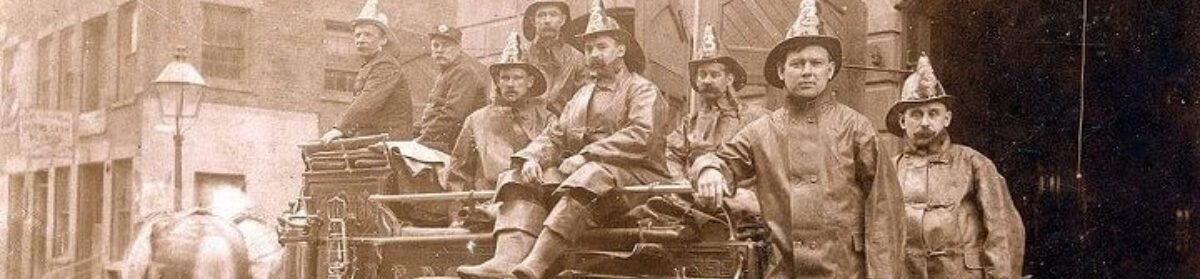
We find a fresh source of oxygen from being amongst the greenery like grasses, plants, and trees, and the aeration from waterfalls and wind currents. We find healthy sources of food in wildlife living freely in the waters or on the land, consuming their natural resources. When our country began, we were living outdoors more. From within caves, beneath shelters made of greenery, inside shelters made of ice or animal skins, to eventually homes made and supported by wood, stone, and clay. We prepared our food out in the open, using a variety of campfires to cook, keep warm, and take warm baths, and eventually transitioning to wood stoves, coal stoves, kerosene oil stoves, and gas stoves. We began using wooden torches, oil lamps, candlelight, and gas lanterns to light our way at night. And, from all this, began the fires…
Entering the Fire Service
In a small rural community in Texas in 1994, I, an 18-year-old gal, joined my local volunteer fire department, an all-male crew, fresh out of school, with barely a high school diploma, a license to drive, and a first aid and CPR card. And then, I was immediately thrown into the fire, so to speak. With absolutely no training, the fire calls started coming in.

Each time, my routine was the same: I drove to the station, looked around as everyone, including me, stripped down to our shirts and shorts, put on our bunker gear, and drove to the scenes. It was all on-the-job training as we pulled up to the scenes, heavy black smoke billowing out, large red and orange flames heating up the area, trying to reach you or your crew or its occupants and incinerate everything it touched faster than you could extinguish it. The race was on to get to the fire hydrant, connect the fire hose, and charge the line, as others rushed to deploy the line.
Learning as an Old School Firefighter
It was always a rush, a rush to the front to be on the nozzle or to back up the firefighter at the front. I loved the fall of the water upon us as we fought the flames and pushed our way in, just daring it to come at us. Believe it or not, I was smiling, just so happy to be there making a difference. In one major structure fire, no one was available to support me, so I went to the rear. Being untrained, I looked down, and there were downed wires that had fallen from the commercial structure fire. I looked all around, and there was no one to ask if walking around amongst all this was safe.
No one was around. I was in full gear. I had a job to do, so I did my duty. In the moment, I just thought, my bunker gear, my boots, they’ll protect me. I fought the fire alone from the rear for a bit, as everyone else was busy and we had limited volunteer firefighters. I survived. Frequently, we prepped emergency landing zones for the military helos that supported the rural areas of the border community, where frequent motor vehicle accidents became multiple casualty incidents on the freeway due to vehicles being cramped with numerous unrestrained men, women, and children, often being ejected in every which direction.

There were also the water rescues along the Rio Grande River, where, believe it or not, despite the desert community, hypothermia set in when the illegal immigrants would attempt to hide in the water for extended periods of time, worsening their drowning risk. Of course, there were the CPR saves, the occasional ambulance fire, and the patrol vehicle accidents and rescues. The jaws of life were fun!
The Spirit of Volunteer Firefighting
Looking back, this sounds like a comic book story, but it all did happen. Those were the days. We were all volunteers, there because we loved what we did, especially the learn-as-you-go environment. I literally had a blast; though it cannot be advocated as standard anymore, I can say nothing beats falling in love with the job of firefighting except in the way I came into it.

I never did get a chance to become an officially certified firefighter, but I would do it all over again just the way I did. If you need to remember why you became a firefighter, go serve with a rural volunteer fire station in small-town USA, where no paid services are available. Like I said, we belong outdoors…or maybe it’s just us “firefighters” now. Unforgettable!
Here’s to all of us and courage under fire…
[Standing Outside the Fire (1993) by Garth Brooks]
About the Author
Sonia Shaw Aguirre has dedicated much of her life to public safety. Raised as the daughter of a Texas law enforcement officer, her career in emergency services encompasses duties as a volunteer first responder, a volunteer firefighter, and a paramedic throughout the country and as a non-commissioned officer in the United States Coast Guard following the September 11 attacks. Her greatest accomplishments in the field, she feels, have been saving the lives of firefighters and multiple law enforcement officers involved in line-of-duty incidents and flying with them out on military helos. Her experiences in firefighting, emergency medicine, rescue operations, and public safety continue to inspire her interest in preserving and sharing firefighter history.

Franklin County Fire EMS (VA)
under Fire Chief Michael A. Fowler
Discover more from National Fire Heritage Center
Subscribe to get the latest posts sent to your email.
