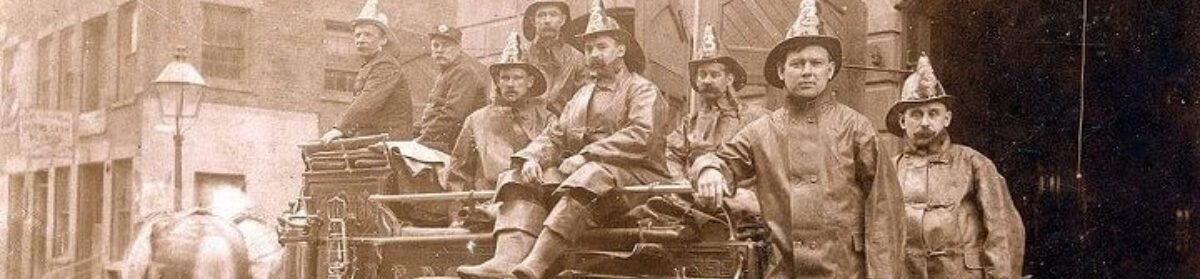

Cities in the late 1800s were implementing technologies that seem surprisingly modern—telegraph‑based alarm networks, centralized dispatching, and early forms of automated public‑safety communication. In a new long‑form feature, author Doug Meil explores how these systems worked, why they mattered, and how they shaped the development of public safety communications in the United States.
Meil traces the evolution of municipal telegraph networks, the engineering concepts behind alarm boxes and signal circuits, and the rise of centralized control rooms that coordinated fire and police response. It’s an impressive look at the technical and organizational foundations of systems that eventually led to today’s 911 and modern fire alarm communications.
As Meil notes, “Call boxes might be history, but they should not be forgotten.”
Read the full article: High‑Tech 19th‑Century Public Safety Communication
